
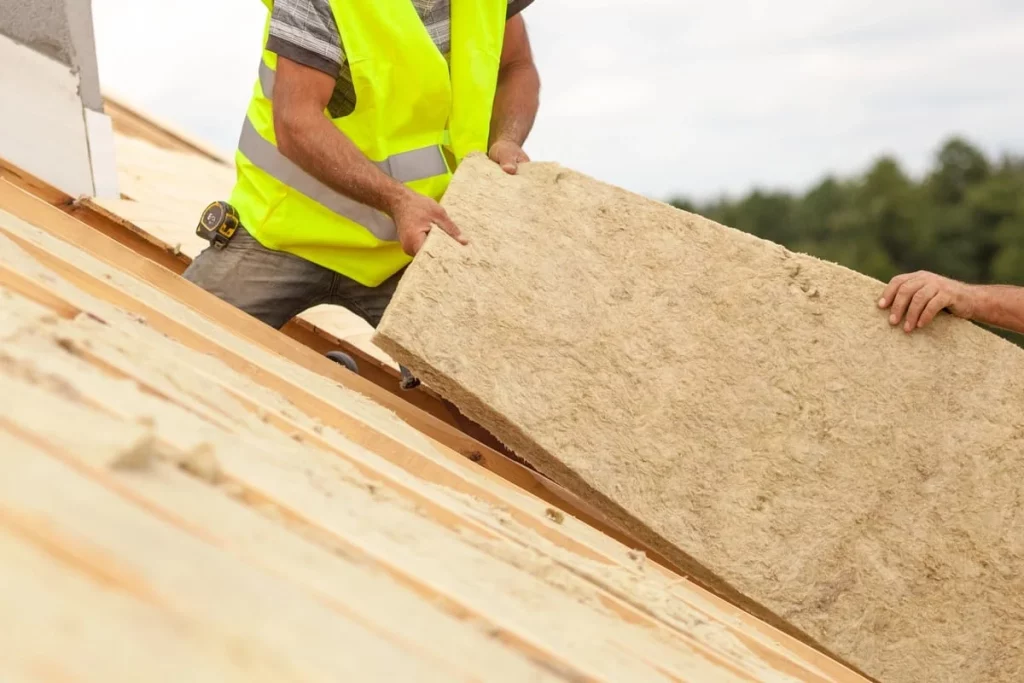
Proper roof insulation is integral to maintaining a healthy home environment. It regulates indoor temperatures, thereby enhancing comfort and reducing stress. Additionally, effective insulation minimizes the infiltration of allergens and pollutants, which can lead to improved respiratory health. This connection between insulation and overall wellbeing raises questions about its broader implications. Understanding these dynamics is essential for homeowners seeking to create spaces that support both physical and mental health. What factors should be considered in this process?
Key Takeaways
- Proper roof insulation regulates indoor temperatures, promoting physical comfort and reducing discomfort from temperature fluctuations.
- It limits the ingress of allergens and pollutants, which can alleviate asthma and allergy symptoms.
- Insulation minimizes condensation, reducing mold growth and associated health risks for occupants.
- Enhanced energy efficiency lowers energy consumption, alleviating financial strain and promoting a sustainable lifestyle.
- A well-insulated home fosters a sense of safety and belonging, contributing to overall mental well-being.
The Importance of Roof Insulation for Home Comfort
Frequently overlooked, roof insulation plays an essential role in maintaining home comfort by regulating indoor temperatures. Its primary function is to create a thermal barrier that minimizes heat transfer, thereby ensuring a stable indoor climate. This stability can markedly enhance the occupants’ quality of life by reducing discomfort caused by temperature fluctuations. In addition, the benefits of roof insulation extend to noise reduction, contributing to a tranquil living environment. Properly insulated roofs also reduce the likelihood of condensation, which can lead to mold growth, posing health risks. As a result, investing in roof insulation not only promotes comfort but also supports overall wellbeing, fostering a sense of security and belonging among residents as their home becomes a sanctuary against external environmental challenges.
Energy Efficiency: A Key Benefit of Roof Insulation
While many homeowners may prioritize aesthetic upgrades, the energy efficiency gained through proper roof insulation presents a compelling argument for prioritizing this aspect of home improvement. Effective roof insulation markedly reduces thermal transfer, leading to lower energy consumption for heating and cooling. Research shows that homes with adequate insulation can save up to 20% on energy bills annually. This reduction not only alleviates financial strain but also contributes to a reduced carbon footprint, aligning with the growing global emphasis on sustainability. Additionally, enhanced energy efficiency guarantees a more stable indoor temperature, fostering a comfortable living environment. Consequently, the benefits of roof insulation extend beyond mere comfort, serving as an essential investment in both economic and environmental well-being.
Health Benefits Linked to Proper Roof Insulation
Proper roof insulation greatly contributes to overall health by creating a more stable indoor environment, which is essential for minimizing the risk of respiratory issues and other health problems. Studies indicate that effective insulation reduces temperature fluctuations, promoting consistent conditions that support physical comfort and mental well-being. Additionally, proper roof insulation can limit the ingress of allergens and pollutants, such as dust and mold spores, which are known to exacerbate asthma and allergies. Consequently, the benefits of roof insulation extend beyond energy efficiency, fostering healthier living spaces that enhance occupants’ quality of life. A well-insulated home not only protects against external environmental stressors but also encourages a sense of safety and belonging, integral to holistic well-being.
Environmental Impact of Roof Insulation
As the demand for sustainable building practices rises, the environmental impact of roof insulation emerges as a critical consideration. Effective roof insulation considerably reduces energy consumption, decreasing reliance on fossil fuels and lowering greenhouse gas emissions. Materials such as cellulose and recycled fiberglass offer eco-friendly alternatives, minimizing resource depletion and promoting sustainability. Additionally, proper insulation mitigates heat island effects in urban areas, contributing to improved local climates. The benefits of roof insulation extend beyond individual homes; they foster broader environmental resilience, supporting ecological balance. Moreover, adopting advanced insulation technologies can enhance durability and reduce waste, aligning with circular economy principles. Ultimately, the integration of sustainable roof insulation practices plays an essential role in fostering a healthier planet for future generations.
Choosing the Right Roof Insulation for Your Home
Selecting the appropriate roof insulation is essential for optimizing energy efficiency and enhancing comfort within a home. Various insulation materials, such as fiberglass, foam, and cellulose, each offer distinct thermal resistance values and environmental impacts. Research indicates that fiberglass insulation, for example, provides a high R-value per inch, making it effective in reducing energy consumption. Conversely, foam insulation, while generally more expensive, offers superior air sealing capabilities, further minimizing energy loss. Homeowners should also consider local climate, installation costs, and potential health benefits. Effective roof insulation contributes greatly to overall wellbeing by maintaining consistent indoor temperatures and reducing reliance on heating and cooling systems. Therefore, understanding the benefits of roof insulation empowers homeowners to make informed choices that enhance both comfort and sustainability.
Frequently Asked Questions
How Long Does Roof Insulation Typically Last?
Roof insulation typically lasts between 20 to 40 years, depending on materials used and environmental conditions. Regular inspections and maintenance can extend its lifespan, ensuring ideal performance and energy efficiency throughout its duration.
Can I Install Roof Insulation Myself?
Installing roof insulation independently is feasible for those with adequate skills and knowledge. However, professional installation is recommended to guarantee peak performance and compliance with safety standards, ultimately maximizing the benefits of roof insulation for long-term effectiveness.
What Materials Are Commonly Used for Roof Insulation?
Common materials for roof insulation include fiberglass batts, spray foam, cellulose, and rigid foam boards. Each material offers unique thermal performance characteristics, contributing to energy efficiency and comfort within homes, thereby enhancing overall living conditions.
How Does Roof Insulation Affect Home Resale Value?
Roof insulation greatly enhances home resale value by improving energy efficiency, reducing utility costs, and increasing comfort. Potential buyers often prioritize energy-efficient features, making properties with quality insulation more attractive and likely to sell at higher prices.
Are There Government Incentives for Roof Insulation Installation?
Government incentives for roof insulation installation often include tax credits, rebates, and grants aimed at promoting energy efficiency. These programs encourage homeowners to invest in insulation, ultimately benefiting both the environment and personal finances.
Conclusion
To summarize, proper roof insulation is an essential component of a healthy home, notably contributing to both comfort and wellbeing. By enhancing energy efficiency, reducing temperature fluctuations, and minimizing the infiltration of allergens, effective insulation supports physical health and mental wellness. Additionally, the environmental benefits underscore its importance in sustainable living. Consequently, prioritizing the selection and installation of suitable roof insulation not only elevates home quality but also underpins a holistic approach to health and well-being.
You May Also Like To Read: