
Holistic health approaches for children’s wellness focus on nurturing the entire child, addressing physical, emotional, and social needs. Integrating alternative therapies can enhance traditional medical practices, offering families a more thorough path to well-being. Understanding these methods and their benefits is essential for caregivers seeking to support their children’s health journey. However, the challenge lies in selecting the most suitable therapies among numerous options available today. What factors should parents consider when making these important decisions?
Key Takeaways
- Holistic health emphasizes the interconnectedness of physical, emotional, social, and cognitive development in children’s wellness.
- Alternative therapies like acupuncture, aromatherapy, and mindfulness enhance emotional resilience and social skills in children.
- Integrating alternative therapies with traditional medicine supports comprehensive pediatric care and empowers families.
- Engaging children in discussions about their wellness preferences fosters a sense of agency and belonging.
- Researching and consulting professionals ensures safe and effective implementation of alternative therapies tailored to individual needs.
Understanding the Importance of Holistic Health in Children
As children grow and develop, it becomes increasingly important to recognize the value of holistic health approaches that encompass not only physical well-being but also emotional, social, and cognitive aspects of their lives. Integrating alternative therapies for children’s health can foster a sense of belonging and support their overall development. These methods prioritize the child as a whole, addressing individual needs and encouraging positive interactions within their environment. Techniques such as mindfulness, art therapy, and play therapy can enhance emotional resilience and social skills. By embracing holistic health, caregivers and educators create nurturing spaces where children feel valued and understood. This all-encompassing focus ultimately leads to healthier, more balanced lives, paving the way for a brighter future.
Overview of Alternative Therapies for Children’s Health
Recognizing the multifaceted nature of children’s health, alternative therapies for children’s health offer diverse avenues for enhancing well-being. These therapies focus on nurturing the whole child, addressing physical, emotional, and mental aspects. Parents and caregivers often seek these options to complement traditional medicine, fostering a sense of community and understanding among families.
Key alternative therapies include:
- Acupuncture: A gentle approach that can alleviate various ailments and promote relaxation.
- Homeopathy: Utilizing natural substances to support the body’s healing processes, tailored to each child’s unique needs.
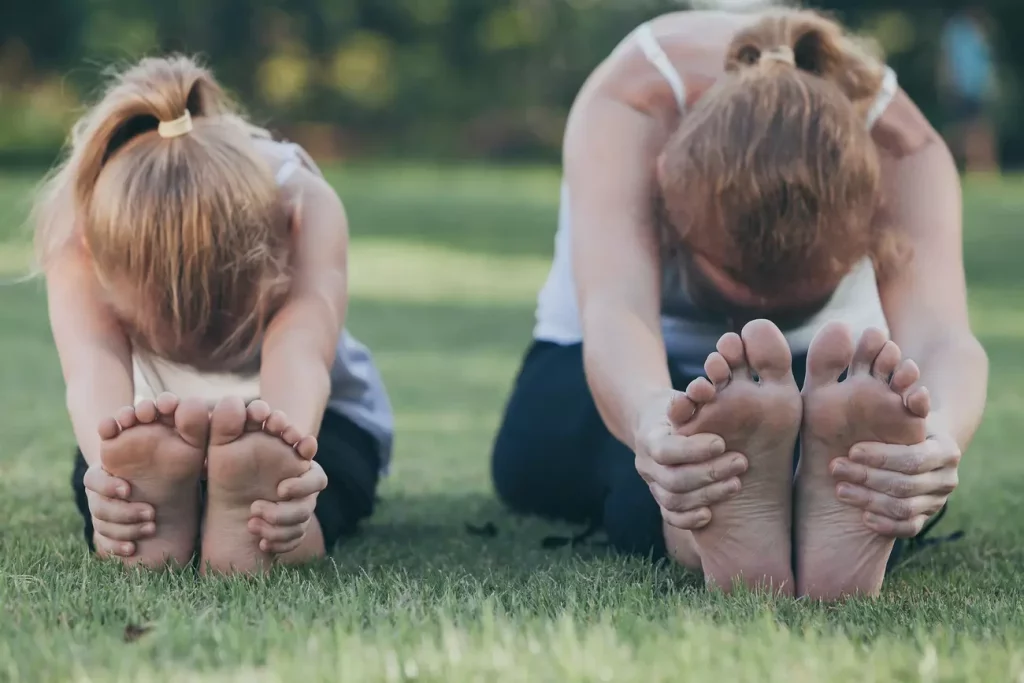
- Mindfulness Practices: Techniques such as yoga and meditation that enhance emotional regulation and stress relief.
These alternative therapies encourage a holistic view, providing valuable resources for children’s overall wellness.
Benefits of Integrating Alternative Therapies in Pediatric Care
Integrating alternative therapies for children’s health into pediatric care can greatly enhance the overall wellness of young patients. These therapies often focus on the whole child, addressing physical, emotional, and social aspects of health. By incorporating practices such as mindfulness, nutrition counseling, and gentle movement therapies, families may find that their children experience reduced stress and improved emotional regulation. Moreover, alternative therapies can foster a sense of belonging, as families engage in holistic practices together. This integrative approach not only supports traditional medical treatments but also empowers children and their caregivers to take an active role in their health journey. Ultimately, the combination of conventional and alternative therapies can lead to more thorough, compassionate care for children.
Popular Alternative Therapies for Enhancing Children’s Wellness
While many parents seek conventional medical treatments for their children’s health, numerous alternative therapies have gained popularity for enhancing overall wellness. These approaches often resonate with families seeking a more holistic path.
- Acupuncture: This ancient practice aims to balance energy flow and has been shown to alleviate pain and anxiety in children.
- Aromatherapy: Using essential oils can create a calming environment, helping to reduce stress and improve mood.
- Mindfulness and Meditation: These techniques foster emotional regulation and resilience, teaching children valuable coping skills.
Tips for Parents: Choosing the Right Alternative Therapies for Your Child
As families explore various avenues for enhancing children’s wellness, the selection of alternative therapies can feel overwhelming. Parents are encouraged to start by researching therapies that align with their child’s specific needs, considering options like acupuncture, yoga, or herbal remedies. Consulting with healthcare professionals who are knowledgeable about alternative therapies for children’s health can provide invaluable guidance. It’s also essential to seek out practitioners who specialize in working with children, ensuring a comfortable and supportive environment. Engaging in open discussions with children about their preferences encourages a sense of agency and belonging. Finally, parents should consider the potential benefits and risks of each therapy, fostering a balanced approach to their child’s wellness journey.
Frequently Asked Questions
Are Alternative Therapies Safe for All Children?
Alternative therapies for children’s health may not be safe for all children. Individual health conditions vary, necessitating consultation with healthcare professionals to ascertain suitable approaches and minimize potential risks while promoting overall wellness and healing.
How Do I Know if My Child Needs Alternative Therapies?
Signs that a child may benefit from alternative therapies include persistent health issues, emotional challenges, or lack of progress with conventional treatments. Consulting healthcare professionals can provide guidance tailored to each child’s unique needs and circumstances.
Can Alternative Therapies Replace Conventional Medical Treatments?
Alternative therapies can complement conventional medical treatments but should not replace them. Integrating both approaches may enhance overall effectiveness, promoting a more thorough strategy for children’s health and wellness while respecting individual needs and circumstances.
What Qualifications Should Practitioners of Alternative Therapies Have?
Practitioners of alternative therapies should possess relevant certifications, extensive training, and a deep understanding of child development. Empathy, communication skills, and a commitment to holistic wellness are also essential for effectively supporting children’s health.
How Can I Support My Child’s Wellness Alongside Alternative Therapies?
Supporting a child’s wellness alongside alternative therapies involves nurturing a balanced lifestyle, encouraging open communication, fostering emotional connections, promoting healthy nutrition, and ensuring regular physical activity, all while respecting their individual needs and preferences.
Conclusion
Incorporating holistic health approaches into children’s wellness offers a compassionate pathway for nurturing their overall development. By embracing alternative therapies such as acupuncture, aromatherapy, and mindfulness, families can foster emotional resilience and strengthen their bonds. This integrative approach not only complements traditional medical care but also empowers children to take an active role in their health journey. Ultimately, prioritizing holistic well-being paves the way for brighter futures, fostering a balanced and fulfilling life for children and their families.
You May Also Like To Read: